For decades, small-scale housing development has been treated like something reserved for professionals: builders, developers, architects, lenders, and people who already know how the system works. That made sense when the process was harder to access — zoning was restrictive, permitting was opaque, pricing was hard to understand, and the average homeowner had few tools to evaluate whether adding housing to their property was even possible.
That is starting to change. Across the country, cities are beginning to rethink single-family zoning, allow more housing on existing lots, and create pathways for accessory dwelling units, duplexes, triplexes, small homes, and infill development. At the same time, technology is making design, feasibility, pricing, permitting, and construction planning easier to understand.
That combination is creating a new role in housing: the citizen developer.
A citizen developer is not a traditional real estate developer. They are usually a homeowner, lot owner, small investor, or local resident who wants to participate directly in creating housing in their own community. They may add an ADU behind their home, replace one aging structure with two or three smaller homes, build a rental unit for income, or create a place for a family member. The point is not that every homeowner should become a developer — it's that more people should be able to understand what is possible on their property and participate without becoming a full-time real estate professional.
Why citizen developers matter
America's housing shortage is usually discussed in big numbers: millions of homes short, record affordability issues, rising rents. But the shortage is experienced locally. It shows up when adult children cannot afford to live near their parents, when teachers and nurses are priced out of the neighborhoods they serve, and when older homeowners want to downsize but cannot find a smaller home in the same community.
Large developers can help, but they cannot solve the entire problem alone. Many of the best housing opportunities are small: one lot, one backyard, one underused property. Citizen developers matter because they unlock housing at the scale of the neighborhood.
Zoning changes are creating new opportunities
For much of the last century, many residential neighborhoods were designed around one pattern: one house on one lot. Recent zoning reforms are beginning to create more flexibility. In places like Austin, changes to residential zoning are allowing more homes on existing lots, smaller minimum lot sizes, and more options for infill housing. This is not about turning every neighborhood into a high-rise district — it's about allowing gentle density: more housing choices within the existing fabric of the city.
That might mean an ADU behind an existing home, a small second home for a family member, two or three smaller homes on a lot that previously allowed only one, or a more efficient redevelopment of an aging property. But zoning permission is only the first step. The harder question is: what can actually be built, what will it cost, and does the project make sense?
How ordinary homeowners can participate
Most homeowners do not wake up thinking, "I want to become a developer." They start with practical questions: Could I build something in my backyard? Could my parents live close by? Could I create rental income? Could I replace an old house with two or three smaller homes?
Historically, getting answers was difficult — a homeowner might need to call an architect, a builder, an engineer, a lender, a surveyor, and the city before even knowing whether the idea was viable. That early uncertainty stops many projects before they begin. A better process starts with feasibility: understanding what the zoning allows, how many units may be possible, how much square footage can be built, the likely costs, and the major risks — before investing heavily in design or construction.
Common misconceptions
One misconception is that citizen development is only about profit. Profit can be part of the equation, but many citizen developers are motivated by more — a personal stake in the neighborhood, housing for family, a long-term rental, or staying in a community that has become more expensive.
Another is that citizen developers are trying to replace professional builders or architects. They are not. The goal is not to remove expertise from the process, but to make it easier to access, sequence, and understand. A third is that small-scale infill will ruin neighborhoods. In reality, neighborhoods have always changed over time. Well-designed small-scale housing can add options without overwhelming the character of a neighborhood.
Technology is lowering the barriers
The biggest opportunity for citizen developers is the combination of zoning reform and better technology. Technology can translate complex rules into understandable options — connecting lot size, zoning, building area, unit count, design models, pricing assumptions, and construction systems into a clearer early-stage picture.
That matters because early decisions shape the entire project. If a homeowner starts with the wrong assumptions, they may waste months and thousands of dollars on a plan that does not work. Better information up front means more realistic decisions about whether to move forward, scale back, or stop before spending serious money.
From custom projects to repeatable systems
Traditional construction often treats every project as a one-off. That approach works for complex custom projects, but it is too slow, too expensive, and too dependent on scarce labor to solve a housing shortage. Citizen development works better when it is supported by more repeatable systems.
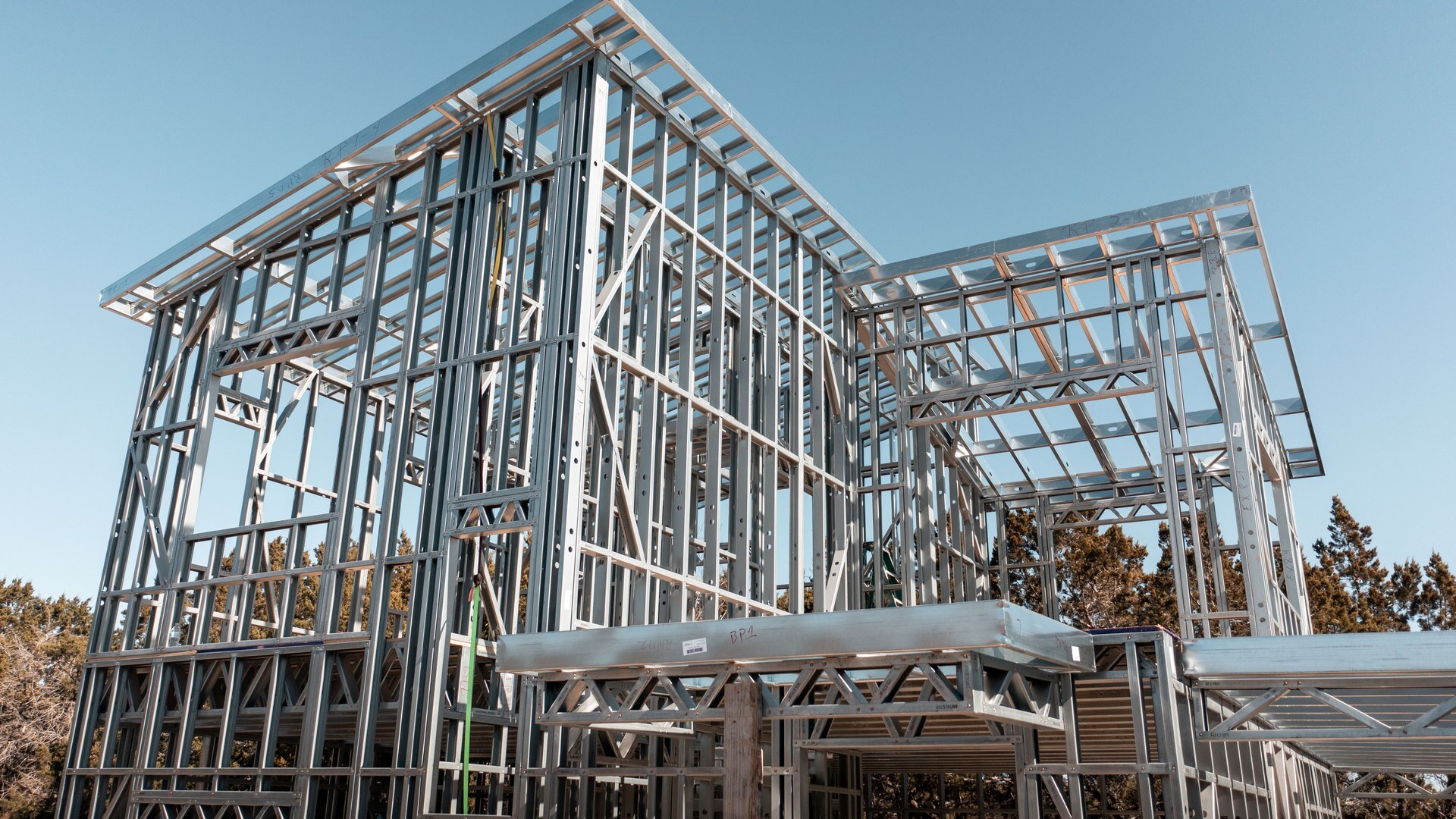
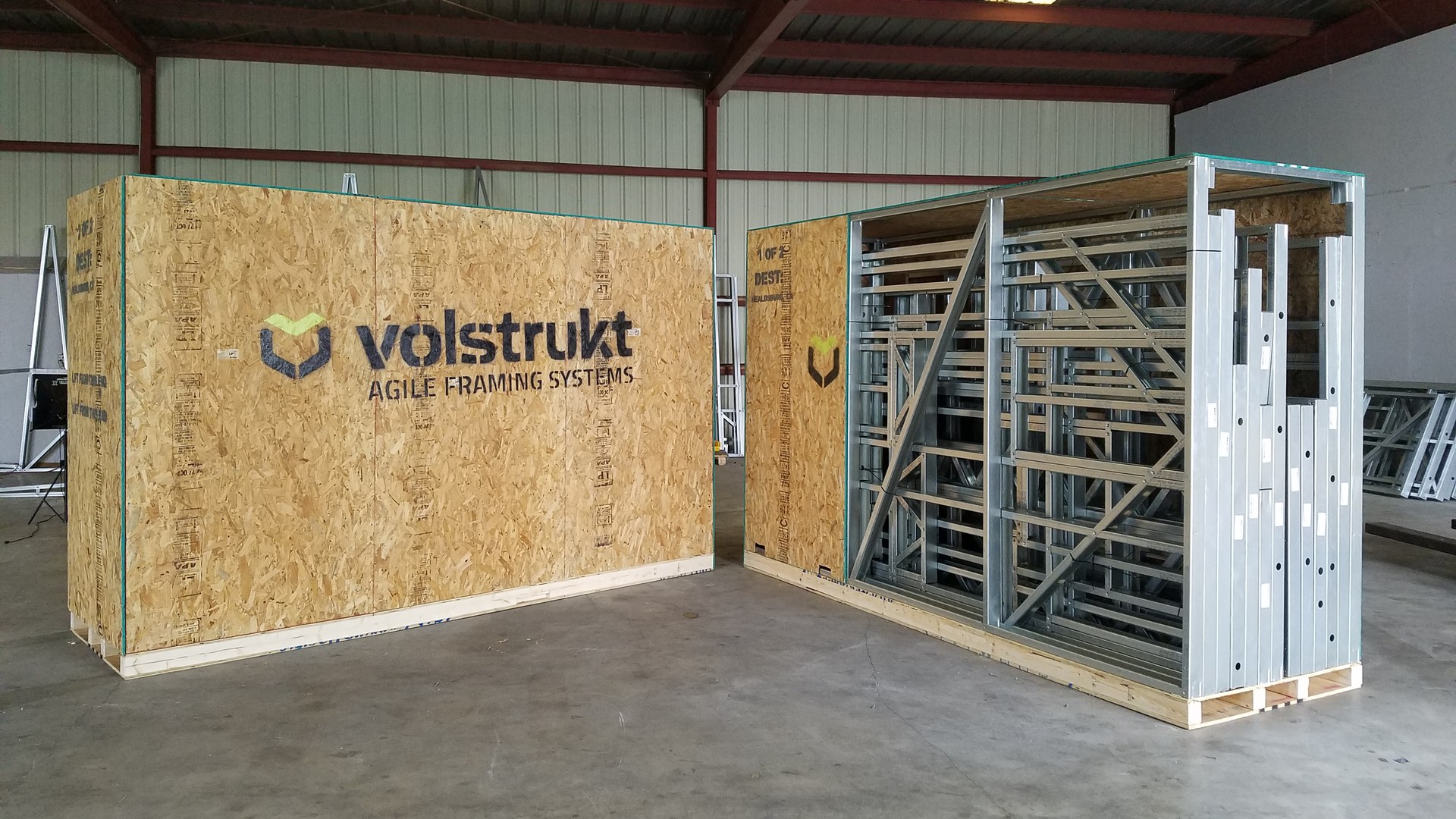
That does not mean every home looks the same. It means the process becomes more predictable. Design packages can be standardized where appropriate. Steel framing can be digitally designed and manufactured. Materials can be planned earlier. Builders can work from better information. This is where Volstrukt sees a major opportunity: small-scale housing does not need to become simplistic, but it does need to become more understandable, more productized, and more accessible.
The future of housing may be smaller than we think
When people talk about solving the housing crisis, they often picture large developments, major public policy, and big construction companies. All of those have a role. But the future of housing may also depend on thousands of smaller decisions made by ordinary property owners — a backyard unit, a small home, a duplex, a rental cottage, a better use of an existing lot.
Citizen developers will not replace traditional development. But they can become an important part of a more flexible housing system, especially in cities where zoning is changing and demand remains high. The opportunity is not just to build more — it's to help more people participate in building.
Want to know what is possible on your lot?
If you own property in Austin and want to understand what the HOME initiative may allow, Volstrukt can help you take the first step. A HOME feasibility assessment can help identify what may be possible on your lot, how much housing could potentially be created, and what questions need to be answered before moving forward. Get a HOME feasibility assessment and see what your property could become.
Planning a build?
Tell us about your project. We turn house designs into engineer-stamped, build-ready steel framing systems — and we reply within one business day.
Start a project →